Compliance & Ongoing Operations
Practical nonprofit insights and plain-language guides to help you manage filings, meet IRS and state requirements, and keep your nonprofit in good standing year after year.

Nonprofit Good Standing Requirements

Staying in good standing means your nonprofit has met its ongoing federal, state, and local requirements. This guide explains what those requirements are, why they matter, and how to make sure your organization stays on track.

IRS Penalties for Nonprofit Filing Errors
Filing errors can happen to any nonprofit, but understanding the IRS penalties involved helps founders respond quickly and stay in good standing. This guide breaks down common penalties, how to avoid them, and what to do if your organization falls behind.

Nonprofit Conflict of Interest Policy: What It Is and Why Your Organization Needs One
A conflict of interest policy protects your nonprofit's credibility and is expected by the IRS when you apply for 501(c)(3) status. Learn what the policy requires, what it should include, and how to put one in place the right way.

Nonprofit Recordkeeping Requirements Explained
Keeping good records is one of the most important responsibilities a nonprofit has. This guide explains what nonprofit recordkeeping requirements apply to your organization, which documents to keep, how long to keep them, and how to build a system that protects your tax-exempt status for the long term.
Nonprofit Good Standing Requirements
Ginger Petrus
July 13, 2026
Staying in good standing means your nonprofit has met its ongoing federal, state, and local requirements. This guide explains what those requirements are, why they matter, and how to make sure your organization stays on track.
IRS Penalties for Nonprofit Filing Errors
Ginger Petrus
July 13, 2026
Filing errors can happen to any nonprofit, but understanding the IRS penalties involved helps founders respond quickly and stay in good standing. This guide breaks down common penalties, how to avoid them, and what to do if your organization falls behind.
Nonprofit Conflict of Interest Policy: What It Is and Why Your Organization Needs One
Ginger Petrus
July 13, 2026
A conflict of interest policy protects your nonprofit's credibility and is expected by the IRS when you apply for 501(c)(3) status. Learn what the policy requires, what it should include, and how to put one in place the right way.
Nonprofit Recordkeeping Requirements Explained
Ginger Petrus
July 13, 2026
Keeping good records is one of the most important responsibilities a nonprofit has. This guide explains what nonprofit recordkeeping requirements apply to your organization, which documents to keep, how long to keep them, and how to build a system that protects your tax-exempt status for the long term.

Who Is Responsible for Nonprofit Compliance?
Ginger Petrus
July 13, 2026
Nonprofit compliance isn't one person's job. From the board of directors to the executive director to staff members, every role carries specific responsibilities. This guide breaks down who is responsible for what, so your organization stays in good standing with the IRS, your state, and the communities you serve.
8 Common Nonprofit Compliance Mistakes (and How to Avoid Them)
Ginger Petrus
July 13, 2026
Even well-run nonprofits make mistakes. A missed filing, late report, or outdated record can cost your organization time, money, and credibility. This guide explains the most common nonprofit compliance mistakes and how to prevent them so your nonprofit stays transparent, tax-exempt, and trusted by donors.

Nonprofit Board of Directors Requirements: What States and the IRS Expect
Ginger Petrus
July 13, 2026
Every nonprofit needs a board of directors, but requirements vary by state and the IRS has expectations of its own. This guide explains the minimum number of directors, who can serve, what officer roles are typically required, and how your board structure connects to 501(c)(3) eligibility.
Nonprofit Compliance Checklist: What Every Founder Needs to Know
Ginger Petrus
July 13, 2026

Nonprofit Board Meeting Requirements: What Every Founder Needs to Know
Ginger Petrus
July 13, 2026
Nonprofit board meetings are more than a formality. They're a legal and governance requirement for your organization. This guide explains what meetings your board must hold, what needs to be documented, and how to stay compliant with state and federal expectations.

Texas Nonprofit Compliance Checklist

Beacon Nonprofit Staff
July 9, 2026
Compliance mistakes can jeopardize your tax-exempt status, grant eligibility, and organizational credibility. This Texas nonprofit compliance checklist highlights the key requirements you need to stay on track
California Nonprofit Compliance Checklist
Beacon Nonprofit Staff
July 9, 2026
California nonprofit compliance involves more than filing a yearly IRS return. Organizations must track multiple state and federal requirements throughout the year to avoid penalties, suspension, or loss of tax-exempt status.

Common Mistakes When Starting a Nonprofit in Texas
Beacon Nonprofit Staff
July 9, 2026
Many Texas nonprofits face preventable challenges during their first few years due to compliance, governance, and fundraising missteps. Knowing where founders often go wrong can save time, money, and unnecessary setbacks.

Nonprofit Management 101: Building a Strong and Sustainable Organization
Ginger Petrus
July 6, 2026
Learn nonprofit management basics, including board governance, financial oversight, volunteer coordination, and compliance responsibilities that support long-term sustainability.
Nonprofit Executive Compensation: What the IRS Expects
Ginger Petrus
July 6, 2026
If you're leading a nonprofit or plan to hire someone to run it, understanding what the IRS expects around executive compensation is one of the most important compliance steps you'll take. This guide breaks down how reasonable compensation is defined, how the board sets pay the right way, and what gets reported on Form 990.

Why Nonprofits Lose Tax-Exempt Status
Ginger Petrus
July 2, 2026
Tax-exempt status is one of the most valuable things a nonprofit can have, but it can be revoked if your organization isn't careful about compliance. This guide explains the most common reasons nonprofits lose their 501(c)(3) status, what warning signs to watch for, and what to do if it happens to your organization.

When Your Nonprofit Must File 990-N, 990-EZ, or 990
Ginger Petrus
July 2, 2026
Not every nonprofit files the same tax return, and knowing which Form 990 your organization is required to submit can save you from costly mistakes. This guide breaks down the differences between 990-N, 990-EZ, and the full Form 990, so you always know where your nonprofit stands.

Can a Nonprofit Founder Be Paid?
Ginger Petrus
June 25, 2026
Nonprofit founders may receive compensation for services that support their organization’s mission. To remain compliant, pay must be reasonable, properly approved, and aligned with federal tax-exempt rules.

Unrelated Business Income for Nonprofits: What It Is and When It Applies
Ginger Petrus
June 24, 2026
Nonprofits can earn income from activities outside their mission, but that income may be taxable. Here's what unrelated business income is, how the IRS defines it, and what your organization needs to know to stay compliant.
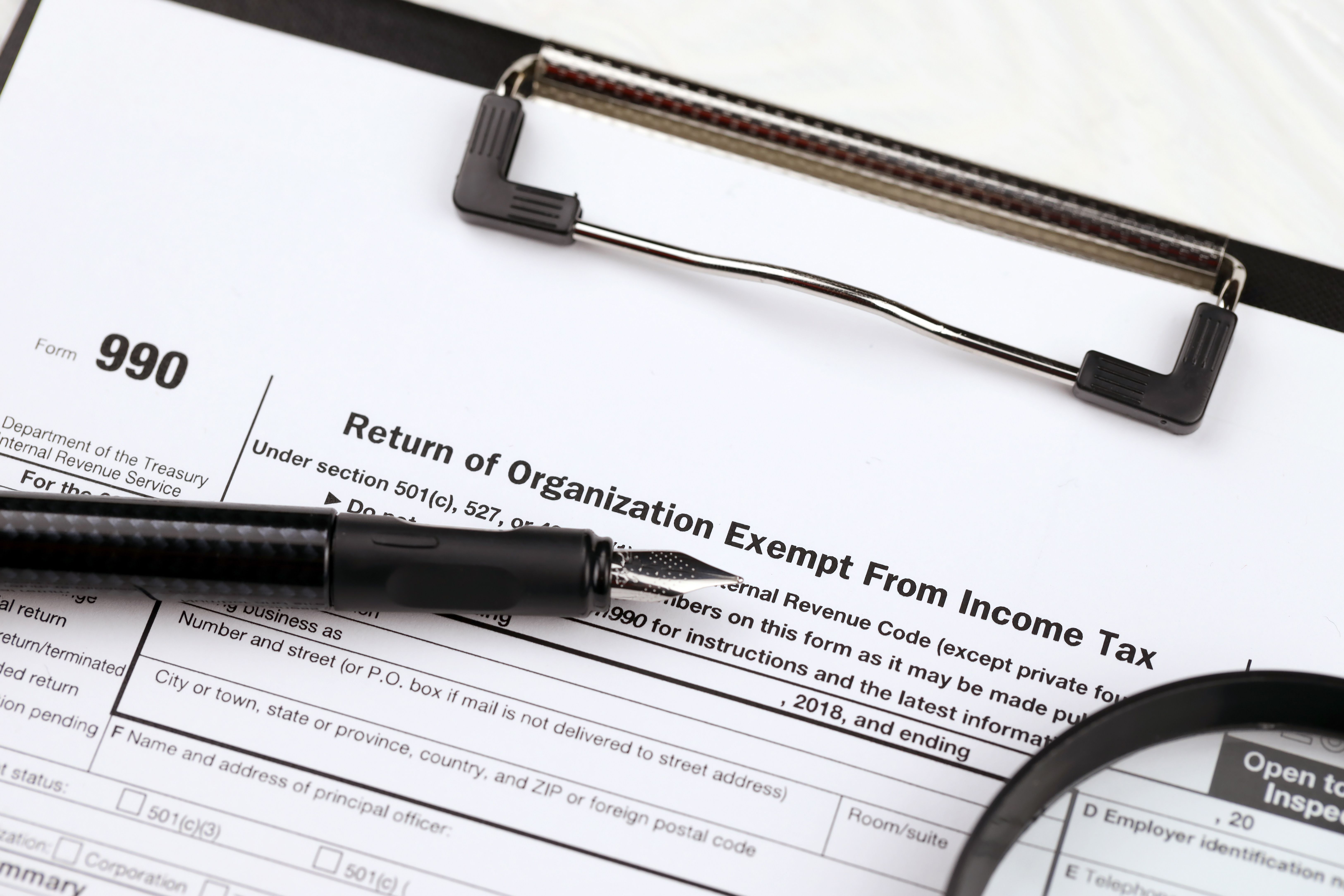
Understanding IRS Form 990 Filing Requirements: 990-N, 990-EZ, and 990 Explained
Ginger Petrus
June 16, 2026
Nonprofits recognized as tax-exempt organizations typically submit an annual information return to the IRS. Understanding which Form 990 version to file and when to file it helps organizations stay compliant and focused on their mission.

Do Nonprofits Pay Taxes?
Ginger Petrus
June 16, 2026
Do nonprofits pay taxes? The answer depends on the type of tax and whether the organization has received 501(c)(3) status. While many nonprofits qualify for federal income tax exemption, they may still have ongoing tax and filing responsibilities.

Do Nonprofits Need an Accountant?
Ginger Petrus
June 1, 2026
Many nonprofit founders wonder whether they need an accountant, a bookkeeper, or both. This guide explains the difference between bookkeeping and accounting, when each is typically needed, and how nonprofits can make practical financial decisions as they grow.

Laws for Nonprofit Organizations: What You Need to Know
Ginger Petrus
May 4, 2026
Running a nonprofit means following a specific set of laws at both the federal and state level. This guide breaks down the key legal requirements every nonprofit founder needs to understand, from IRS rules and 501(c)(3) status to state registration and ongoing compliance.

Nonprofit Filing Requirements: Federal and State Overview
Kendra Carr
May 4, 2026
Understanding nonprofit filing requirements doesn't have to be overwhelming. This guide breaks down what you need to file at the federal and state levels — from your EIN and 501(c)(3) application to annual reports and charitable registration — so you can stay compliant and keep your mission moving forward.

Nonprofit Filing Deadlines Every Founder Should Know
Ginger Petrus
May 1, 2026
Nonprofit founders have a lot to keep track of — and filing deadlines are among the most important. This guide breaks down the key dates, forms, and rules you need to know to keep your organization in good standing with the IRS and your state.

What Happens After You Receive 501(c)(3) Status
Ginger Petrus
March 25, 2026
Receiving 501(c)(3) status is a major milestone for any nonprofit. This guide explains what typically happens after approval, including next steps, ongoing responsibilities, and how nonprofits can move forward with clarity and confidence.

What Happens if a Nonprofit Misses a Filing Deadline?
Ginger Petrus
March 25, 2026
Missing a filing deadline can feel stressful, especially for new nonprofit leaders. This guide explains what typically happens when a nonprofit misses a filing deadline, how issues are often resolved, and how organizations can move forward with clarity and confidence.

Your First Year as a Nonprofit: Key Deadlines and Filings
Ginger Petrus
March 25, 2026
Your nonprofit’s first year sets the foundation for long-term success. Learn the key deadlines and filings most nonprofits face in their first year and how to stay organized from day one.

Annual Nonprofit Filings Explained: IRS & State Requirements
Ginger Petrus
March 25, 2026
Annual nonprofit filings are a routine part of staying in good standing with the IRS and the state. This guide explains what nonprofits are expected to file each year, how federal and state requirements work together, and how founders can approach compliance with clarity and confidence.
Explore More Blogs About Compliance & Ongoing Operations
Discover more practical nonprofit insights and plain-language resources from Beacon’s Resource Center.
Nonprofit Good Standing Requirements
Staying in good standing means your nonprofit has met its ongoing federal, state, and local requirements. This guide explains what those requirements are, why they matter, and how to make sure your organization stays on track.
IRS Penalties for Nonprofit Filing Errors
Filing errors can happen to any nonprofit, but understanding the IRS penalties involved helps founders respond quickly and stay in good standing. This guide breaks down common penalties, how to avoid them, and what to do if your organization falls behind.
Nonprofit Conflict of Interest Policy: What It Is and Why Your Organization Needs One
A conflict of interest policy protects your nonprofit's credibility and is expected by the IRS when you apply for 501(c)(3) status. Learn what the policy requires, what it should include, and how to put one in place the right way.
Nonprofit Recordkeeping Requirements Explained
Keeping good records is one of the most important responsibilities a nonprofit has. This guide explains what nonprofit recordkeeping requirements apply to your organization, which documents to keep, how long to keep them, and how to build a system that protects your tax-exempt status for the long term.
Who Is Responsible for Nonprofit Compliance?
Nonprofit compliance isn't one person's job. From the board of directors to the executive director to staff members, every role carries specific responsibilities. This guide breaks down who is responsible for what, so your organization stays in good standing with the IRS, your state, and the communities you serve.
8 Common Nonprofit Compliance Mistakes (and How to Avoid Them)
Even well-run nonprofits make mistakes. A missed filing, late report, or outdated record can cost your organization time, money, and credibility. This guide explains the most common nonprofit compliance mistakes and how to prevent them so your nonprofit stays transparent, tax-exempt, and trusted by donors.
Nonprofit Board of Directors Requirements: What States and the IRS Expect
Every nonprofit needs a board of directors, but requirements vary by state and the IRS has expectations of its own. This guide explains the minimum number of directors, who can serve, what officer roles are typically required, and how your board structure connects to 501(c)(3) eligibility.
Nonprofit Compliance Checklist: What Every Founder Needs to Know
Nonprofit Board Meeting Requirements: What Every Founder Needs to Know
Nonprofit board meetings are more than a formality. They're a legal and governance requirement for your organization. This guide explains what meetings your board must hold, what needs to be documented, and how to stay compliant with state and federal expectations.
Get Nonprofit Tips and Compliance Guidance
Subscribe for updates, insights, and resources that help you stay compliant and grow your mission.