Nonprofit Recordkeeping Requirements Explained


Key Takeaways
Nonprofits must maintain governing documents, financial records, board minutes, annual 990 filings, and employment records to meet IRS recordkeeping requirements.
Founding documents including your articles of incorporation, bylaws, and IRS determination letter should be kept permanently and never destroyed.
A written document retention policy is an essential governance document that defines how long records are kept and protects your organization if your practices are ever questioned.
Most financial records, tax returns, and grant documentation should be retained for at least seven years.
State nonprofit documentation requirements vary, so check what applies in every state where you are registered or actively fundraising.
Keeping good records is one of the most important responsibilities a nonprofit has. This guide explains what nonprofit recordkeeping requirements apply to your organization, which documents to keep, how long to keep them, and how to build a system that protects your tax-exempt status for the long term.
What Nonprofit Recordkeeping Requirements Actually Mean
If you are running a nonprofit, you already know there is a lot to manage. Programs, fundraising, board meetings, compliance filings. Recordkeeping can feel like one more thing on a long list, but it is actually the thread that holds everything else together.
Nonprofit recordkeeping requirements refer to the types of documents your organization is expected to maintain, how long you need to keep them, and how they should be organized and stored. These requirements come from a few places: the IRS, your state, and general governance best practices. Staying on top of them is not just about compliance. It is about running an organization that donors, board members, and the public can trust.
If you are still building out your compliance foundation, the Nonprofit Compliance Checklist: What Every Founder Needs to Know is a practical starting point that covers the full picture of what your organization needs to stay in good standing.
What the IRS Expects Nonprofits to Keep
The IRS does not publish a single comprehensive list of every document a nonprofit must retain. What it does say is that tax-exempt organizations must keep records sufficient to support what they report on their annual filings, verify how funds were used, and demonstrate that they are operating in line with their exempt purpose.
According to EO operational requirements: Recordkeeping requirements for Exempt Organizations | Internal Revenue Service, your books of account, financial statements, receipts, and program documentation all count as records that the IRS may want to see if questions arise. The standard is whether someone reviewing your records could clearly understand how your organization operates and how its money is managed.
The categories below represent the core of what most nonprofits need to maintain.
Governing and Formation Documents
Your founding documents are the most important records your organization has. These include your articles of incorporation, bylaws, your IRS determination letter confirming your 501(c)(3) status, and any state registration filings. If you are working through the early stages of setting up your organization, our guide on how to form a nonprofit organization in 8 steps walks through exactly what is involved.
These documents should be kept permanently. They establish your legal existence and your tax-exempt status, and they are the first thing an auditor or attorney will ask for if any question arises about your organization.
Financial Records
Financial documentation is at the heart of nonprofit recordkeeping rules. You need a clear paper trail for every dollar that comes in and goes out. That means keeping bank statements and reconciliations, receipts and invoices for all expenses, payroll records if you have staff, and records of any grants received along with documentation of how those funds were spent.
Donor acknowledgment letters are also part of your financial recordkeeping. The IRS requires nonprofits to provide written acknowledgment for any single charitable contribution of $250 or more, and donors need that letter to claim a deduction on their taxes. Keep copies of all letters you send.
Board and Governance Records
Your board of directors is legally responsible for governing your nonprofit, and the decisions they make need to be documented. This means keeping minutes from every board meeting, including attendance, topics discussed, and any votes or resolutions passed.
Well-maintained board minutes serve as your organization's official institutional memory. They show that decisions were made deliberately, that no one person had unchecked control, and that the board fulfilled its fiduciary duties. These records should be kept permanently.
Annual Tax Filings
Most nonprofits are required to file some version of Form 990 with the IRS each year. The version you file depends on your revenue and organizational size. For a clear breakdown of which form applies to your organization, see this overview of IRS Form 990 filing requirements including the 990-N, 990-EZ, and full 990.
Keep copies of every 990 you file, along with any supporting schedules and IRS correspondence. Form 990 is a public document, which means anyone can request a copy from you or view it through public databases. Accuracy matters, and having documentation to support what you filed protects you if questions come up later.
Employment and Contractor Records
If your nonprofit pays staff or works with independent contractors, you are responsible for maintaining employment tax records. According to IRS guidelines on employment tax recordkeeping, employers must keep these records for at least four years after the tax is due or paid, whichever is later. This includes W-2s, I-9 forms, payroll tax filings, and any 1099s issued to contractors.
How Long to Keep Nonprofit Records
One of the most common questions founders ask is how long they actually need to hold on to things. The answer depends on what type of record it is.
Keep permanently: Articles of incorporation, bylaws, the IRS determination letter, board meeting minutes, annual financial statements, and audit reports. These documents define your organization and should never be destroyed.
Keep for seven years: Form 990s and supporting schedules, grant records and related correspondence, contracts, donor acknowledgment letters, and general financial records including bank statements and expense documentation.
Keep for four years: Employment tax records, payroll documentation, and contractor payment records.
Keep for three years: General administrative correspondence and records that are no longer operationally active.
The National Council of Nonprofits recommends that every nonprofit adopt a written document retention policy that spells out these timelines and outlines how records are disposed of when the retention period ends.
Why a Document Retention Policy Matters
A document retention policy is a written governance document that defines how long your organization keeps each type of record and what happens to records when they are no longer needed. It protects your organization in two directions: it prevents staff from accidentally destroying records that are still required, and it gives you a defensible system if your practices are ever questioned.
One essential element is a litigation hold provision. This means that if your organization is ever involved in a legal matter or government investigation, normal record destruction must stop immediately until the matter is resolved. Without this provision in writing, your organization could face serious legal exposure.
Developing this policy is part of building strong governance practices overall. Our article on how to create required policies for your nonprofit organization covers this policy and others that regulators and grantmakers commonly expect nonprofits to have in place.
Storing Records So You Can Actually Find Them
Having records is only useful if you can access them when you need them. Paper documents should be stored in a secure location with controlled access. Digital files should be backed up regularly, stored on reliable platforms, and protected with proper access controls.
Many nonprofits use cloud-based document management tools to keep things organized and accessible for board members, auditors, and staff. Whatever system you choose, the goal is simple: your records should be safe, organized, and findable within a reasonable amount of time.
Original governing documents and your IRS determination letter should have at least one physical backup copy stored separately from your working files. Losing those documents during a transition or emergency can cause real problems.
What Can Happen Without Proper Records
Incomplete or missing records create real risk for your organization. If the IRS audits your nonprofit and you cannot substantiate your income, expenses, or program activities, you may face penalties or additional scrutiny. In more serious cases, ongoing recordkeeping failures can put your tax-exempt status in jeopardy.
Poor documentation also causes problems with your annual filings. If you cannot back up what you report on Form 990, that opens the door to questions from the IRS or from your state regulator. It is worth understanding the full picture of what can follow if compliance issues go unaddressed, including what happens if a nonprofit misses a filing deadline.
Beyond regulatory risk, inadequate recordkeeping can affect donor and grantmaker trust. Many foundations and major donors review your 990 and financial records before making a contribution. Disorganized or incomplete records can signal organizational instability, even when the work you are doing is strong.
Building a Recordkeeping System That Works for You
The best recordkeeping system is one your team will actually use consistently. You do not need a complicated setup to get started. Assign one person, often the executive director, treasurer, or office manager, responsibility for managing records. Create a filing structure that makes sense for your organization, whether paper, digital, or both. Make sure everyone who creates or handles documents knows where things go.
Set a regular schedule to review and update your records. Quarterly checkpoints work well for most organizations. This is also a good time to reconcile your financials, confirm that board minutes have been approved, and make sure any new contracts or grant agreements are filed properly.
For a broader view of what staying compliant looks like throughout the year, our guide on how to keep your nonprofit in good standing year-round covers the full picture.
A Note on State Requirements
Federal IRS requirements are just one piece of the puzzle. Most states have their own nonprofit documentation requirements, including registration, renewal filings, and financial reporting. Some states require annual or biennial reports, and many require nonprofits soliciting donations to register with the state attorney general or a charitable solicitation office.
Requirements vary significantly by state, so it is worth checking what applies where your organization is registered and where you actively fundraise. State nonprofit associations and the National Council of Nonprofits are good resources for state-specific guidance.
Closing Thoughts
Good recordkeeping is not about perfection. It is about building a habit of documentation that protects your organization, supports your team, and gives you a clear picture of where things stand at any given time.
Start with your governing documents, put a basic financial record system in place, and develop a document retention policy. From there, you can build out the rest as your organization grows. Good recordkeeping is a core part of responsible nonprofit operations. For more on building a well-run organization, see nonprofit management basics. If you are still getting your nonprofit off the ground, our walkthrough of how to form a nonprofit organization in 8 steps can help you lay the right foundation from the start.
Frequently Asked Questions
Related Articles

How to Keep Your Nonprofit in Good Standing Year-Round
Keeping your nonprofit in good standing requires consistent attention throughout the year. Learn which filings matter most, how often they are due, and where to find official guidance to stay compliant with confidence.
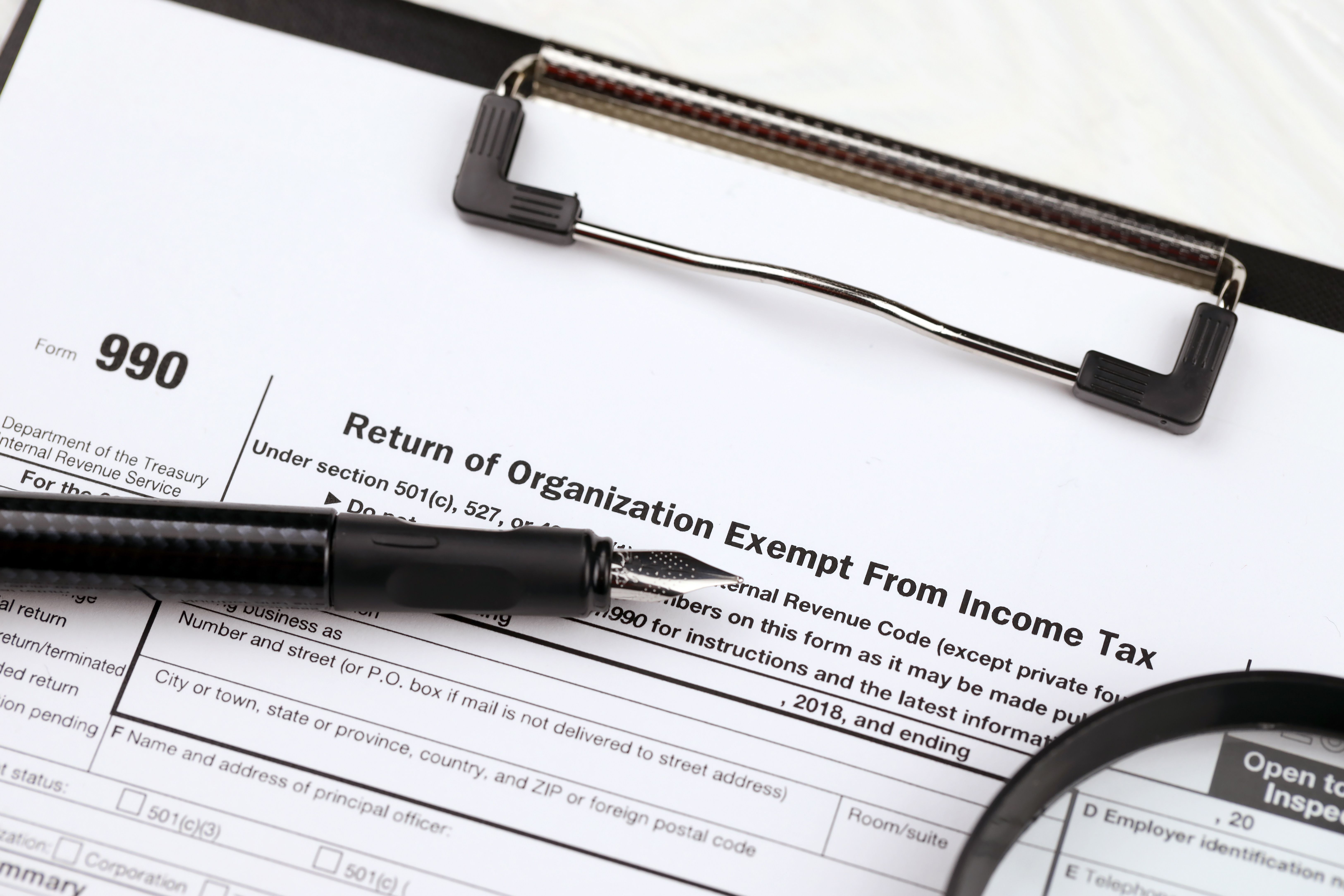
Understanding IRS Form 990 Filing Requirements: 990-N, 990-EZ, and 990 Explained
Nonprofits recognized as tax-exempt organizations typically submit an annual information return to the IRS. Understanding which Form 990 version to file and when to file it helps organizations stay compliant and focused on their mission.

What Happens if a Nonprofit Misses a Filing Deadline?
Missing a filing deadline can feel stressful, especially for new nonprofit leaders. This guide explains what typically happens when a nonprofit misses a filing deadline, how issues are often resolved, and how organizations can move forward with clarity and confidence.

How to Form a Nonprofit Organization in 8 Steps
Forming a nonprofit organization is one of the most meaningful steps you can take for your mission, and it's more manageable than it might seem.
Nonprofit Compliance Checklist: What Every Founder Needs to Know

Nonprofit Management 101: Building a Strong and Sustainable Organization
Learn nonprofit management basics, including board governance, financial oversight, volunteer coordination, and compliance responsibilities that support long-term sustainability.
Get Nonprofit Tips and Compliance Guidance
Subscribe for updates, insights, and resources that help you stay compliant and grow your mission.