How to File Annual Reports and Renewals for Your Nonprofit


Key Takeaways
Most nonprofits are required to complete annual nonprofit filing requirements at both the federal and state levels
Many nonprofit corporations must file annual or periodic reports with their state
Filing deadlines and requirements vary by state and organization structure
Missing required filings can lead to penalties or loss of good standing
Nonprofits may also need to renew charitable registrations and file federal reports
Annual reports and renewal filings help nonprofit organizations stay compliant and maintain legal recognition. Understanding these responsibilities early can support long-term stability and mission success.
Introduction
After forming a nonprofit organization, founders take on ongoing compliance responsibilities. One of the most common tasks is filing annual reports or renewal documents with the state.
Filing required reports on time helps nonprofit leaders stay organized and maintain good standing. Clear compliance habits can reduce administrative stress and allow founders to focus more on their missions. For a broader overview of early formation steps and legal requirements, you can review How to Form a Nonprofit Organization in 8 Steps.
Do Nonprofits Need to File Annual Reports?
Many incorporated nonprofit organizations must file periodic reports with their state. These filings confirm that the organization is still active and that important information remains accurate.
State requirements differ. Filing timelines, methods, and fees may vary based on local regulations and reporting cycles.
What Is a Nonprofit Annual Report?
A nonprofit annual report is usually a state corporate filing that updates key organizational details and confirms the organization is still active. These state filings are different from federal reporting requirements, which many nonprofits must also complete.
A nonprofit annual report may include:
- The organization’s legal name and principal business address
- Registered agent name and contact information
- Current directors or officers
- Confirmation that the nonprofit continues operating
Nonprofits that have received tax-exempt status generally must also file an annual federal informational return with the IRS known as Form 990. Federal filings help maintain tax-exempt recognition, while state annual reports help nonprofits remain in good standing with their state.
Why Annual Reports and Renewals Matter
Filing required reports helps nonprofit organizations maintain legal recognition and operational continuity. When reports are filed on time, nonprofits are more likely to stay in good standing with the state.
Staying current with filing obligations can help organizations:
- Avoid late fees or administrative penalties
- Continue fundraising activities where permitted
- Maintain credibility with donors and grantmakers
- Reduce disruptions that could affect programs or operations
Organizations preparing to seek financial support may also benefit from understanding common funding pathways. Learn more in How Nonprofits Get Funding: Complete Guide for New Founders.
Annual reporting is one part of a broader compliance framework that nonprofit leaders manage throughout the life of the organization. For a full overview of ongoing responsibilities, founders can review the Nonprofit Compliance Checklist: What Every Founder Needs to Know.
When Nonprofit Annual Reports Are Due
Annual report deadlines depend on state requirements.
Common filing schedules include:
- Deadlines based on the anniversary month of incorporation
- Fixed annual reporting dates set by the state
- Biennial or periodic reporting cycles
Because deadlines vary, nonprofit leaders should confirm reporting timelines directly with their state filing agency or Secretary of State office. Organizations that miss required filings may face penalties or loss of good standing. To understand potential risks and next steps, review What Happens if a Nonprofit Misses a Filing Deadline.
How to File a Nonprofit Annual Report Step-by-Step
Although procedures differ by state, nonprofit organizations often follow a similar process when completing annual report filings.
Typical steps include:
- Confirming the organization’s legal name and state identification number
- Reviewing registered agent and address information
- Verifying current directors, officers, or governing board members
- Completing required forms through an online state portal or paper submission
- Paying applicable filing fees
- Saving confirmation records for future compliance reference
Some states allow fully online filing, while others require mailed forms or additional verification. Reviewing official state guidance before filing can help prevent delays.
Other Renewal Requirements Nonprofits May Have
In addition to corporate annual reports, nonprofit organizations may need to complete other periodic renewals.
Charitable Solicitation Registration
Many states require nonprofits to register before requesting donations from the public. These registrations often must be renewed regularly.
The National Association of State Charity Officials provides a directory that can help organizations identify applicable state requirements.
Maintaining a Registered Agent
Most nonprofit corporations must maintain a registered agent with a physical address in the state of incorporation. This role helps ensure the organization can receive official legal and government notices.
Federal Annual Filing Obligations
Tax-exempt nonprofits generally must submit a version of IRS Form 990 each year. Failure to file for three consecutive years can result in automatic revocation of tax-exempt status under IRS rules.
Organizations seeking a deeper explanation of federal reporting requirements can review Understanding IRS Form 990 Filing Requirements.
How to Stay Organized With Annual Compliance
Managing annual reports and renewals becomes easier when nonprofit leaders develop consistent compliance practices. Many organizations find it helpful to take a structured approach to tracking ongoing filing responsibilities.
Organizations often benefit from:
- Creating a compliance calendar with filing deadlines
- Assigning reporting responsibilities to a board member or administrator
- Maintaining updated organizational records
- Reviewing state and IRS correspondence promptly
For a broader overview of recurring nonprofit reporting requirements and lifecycle compliance responsibilities, founders can review Annual Nonprofit Filings Explained.
Final Thoughts
Annual reports and renewal filings are a routine part of operating an incorporated nonprofit organization. By understanding deadlines and building organized compliance habits, founders can help protect their organization’s legal standing and support long-term mission continuity.
Frequently Asked Questions
Related Articles

How Nonprofits Get Funding: Complete Guide for New Founders
Launching a nonprofit takes passion. But sustaining it takes funding. From grants and donations to earned income and sponsorships, understanding where your money can come from is key to building a mission that lasts. This guide from Beacon explains the most common funding sources for new 501(c)(3) founders and how to approach each one with confidence.

How to Form a Nonprofit Organization in 8 Steps
Starting a nonprofit organization is one of the most meaningful steps you can take for your mission, and it's more manageable than it might seem.
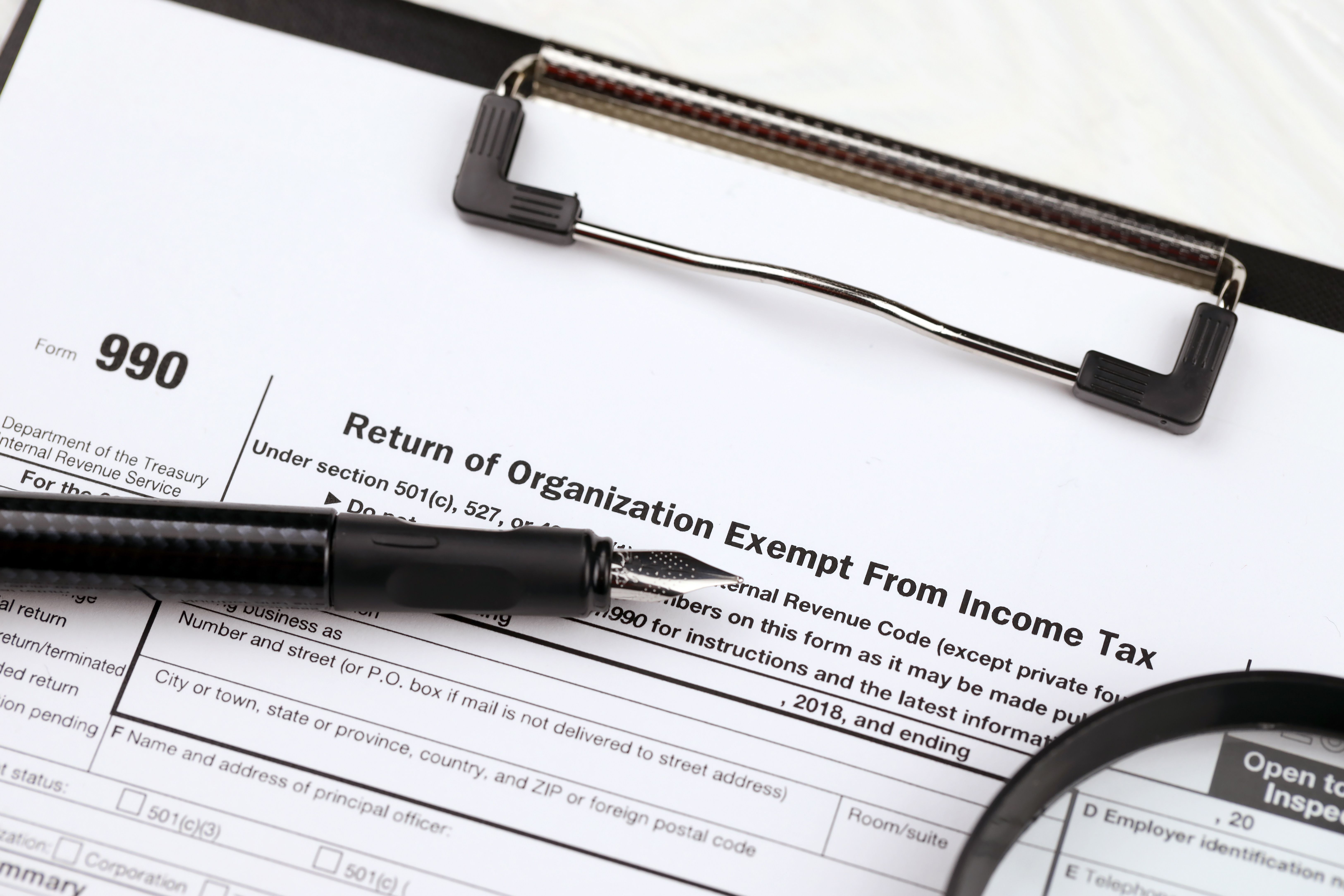
Understanding IRS Form 990 Filing Requirements: 990-N, 990-EZ, and 990 Explained
Nonprofits recognized as tax-exempt organizations typically submit an annual information return to the IRS. Understanding which Form 990 version to file and when to file it helps organizations stay compliant and focused on their mission.
Nonprofit Compliance Checklist: What Every Founder Needs to Know

Annual Nonprofit Filings Explained: IRS & State Requirements
Annual nonprofit filings are a routine part of staying in good standing with the IRS and the state. This guide explains what nonprofits are expected to file each year, how federal and state requirements work together, and how founders can approach compliance with clarity and confidence.

What Happens if a Nonprofit Misses a Filing Deadline?
Missing a filing deadline can feel stressful, especially for new nonprofit leaders. This guide explains what typically happens when a nonprofit misses a filing deadline, how issues are often resolved, and how organizations can move forward with clarity and confidence.
Get Nonprofit Tips and Compliance Guidance
Subscribe for updates, insights, and resources that help you stay compliant and grow your mission.